Most power cuts are short. This is about the one that is not. Here is what drops out, why, and what each loss means for your house, using official figures and no invented timelines.
By the Civilian Survival Handbook team · 20 November 2026 · Official figures checked against the sources at the end; forum advice paraphrased and labelled as such.
First, the good news from the regulator
Ofgem data quoted by Ofcom says roughly 90% of power cuts last between 3 minutes and 3 hours. Most of what follows will not bite in a short cut. It matters because, if the cut is long, the failures stack up fast and several of them hit at once.
What you notice in the first minutes
Lights, cooker, TV, kettle. Obvious. Check whether it is your fuse box or the street: look at neighbours and streetlights, and check for a tripped breaker.
Broadband and your digital landline. Ofcom says your home broadband, including any digital landline, will not work during a power cut unless you have a battery backup. If you rely on a landline and have no working mobile, your provider must offer a free solution such as a battery unit that lasts at least one hour; some last up to seven.
Gas boiler, gas oven and heat pump. GOV.UK Be Ready is clear: gas ovens, boilers, heat pumps and your internet will not work without power. Gas may still be flowing but the pump, fan and controls need electricity.
Electric gates, lifts, shutters. Plan for them.
Router dark, charger dead, phone on its own battery.
What fails over the first hours
Mobile signal. Your phone works for as long as its own battery lasts and a mast near you still has power. In a technical report published in February 2025, Ofcom estimated about 20% of UK mast sites have at least one hour of backup power, and only about 5% have at least six hours. For outages of up to about an hour, roughly two thirds of the population could still make emergency calls, because phones can roam to another network to make a 999 call. As the outage grows, that falls. So coverage typically dies in patches, hours into a cut, which catches people out.
Tips from Ofcom: if your own network is down, 999 can connect through another network if one is available. If you have signal but calls will not connect, send a text. Keep a charged power bank.
The fridge and freezer. The British Red Cross says a closed fridge will usually stay cold for up to four hours. A full freezer can keep food frozen for around 48 hours, or 24 if half full. Keep both shut. If the cut passes four hours, check refrigerated food carefully before eating it. Freezing water bottles ahead of bad weather helps keep a freezer cold for longer.
Card payments and cash machines. They may not work. Keep some cash at home.
Water pressure. GOV.UK says mains water supply to your home could be disrupted during and after power cuts. Pumped supplies fail with the power, and upper floors and higher ground are hit first. Our water guide is the plan.
Fuel pumps and tills. Forecourts need power. Keep your car at least half full as a habit.
If it is a shortage, not a fault
GOV.UK Be Ready explains that in the unlikely event of a national energy shortage, emergency power cuts could be scheduled on a rotating basis, area by area. Each area in Great Britain has a load block letter and would be disconnected for around three hours at a time. Find yours by postcode at powercut105.com; some suppliers print it on bills. Write it down now.
Your first-hour checklist
Check whether it is just your house. Report it on 105 (free in England, Wales and Scotland).
Switch off or unplug sensitive equipment to protect it from a surge when power returns. Leave one light on so you know it is back.
Keep the fridge and freezer shut.
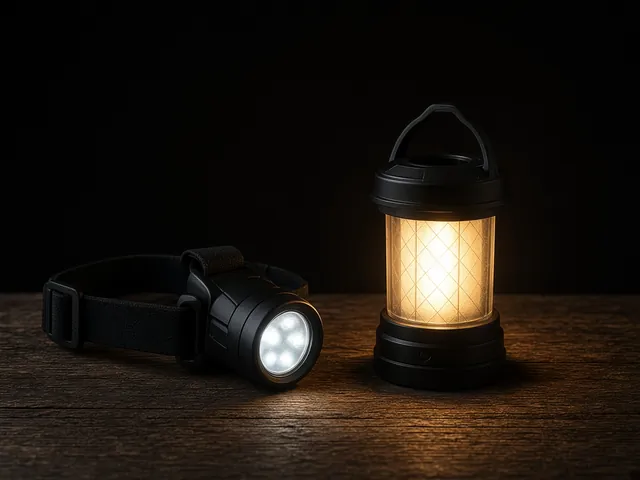
Use a battery or wind-up torch, not candles. Candles increase fire risk.
Cut phone use: lower brightness, close apps, and use the power bank only when needed.
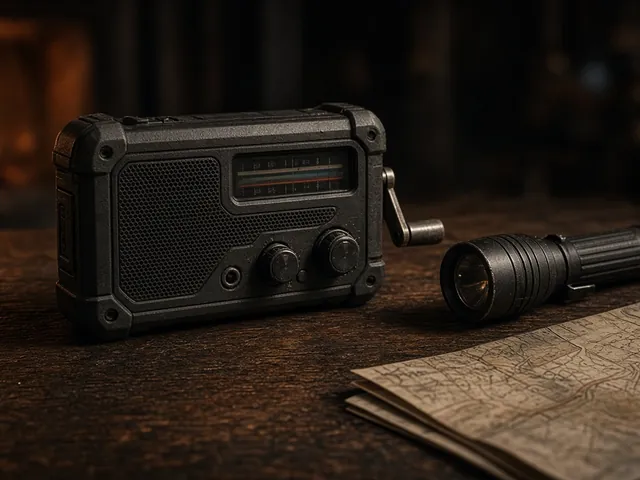
Tune a battery or wind-up radio to FM for updates. GOV.UK recommends FM for emergency listening.
Wear layers, close curtains and doors, and move into one room. See how to stay warm.
If you are eligible, join your network's Priority Services Register now, not during a cut. Households with children under 5 are among those eligible.
Gear for this
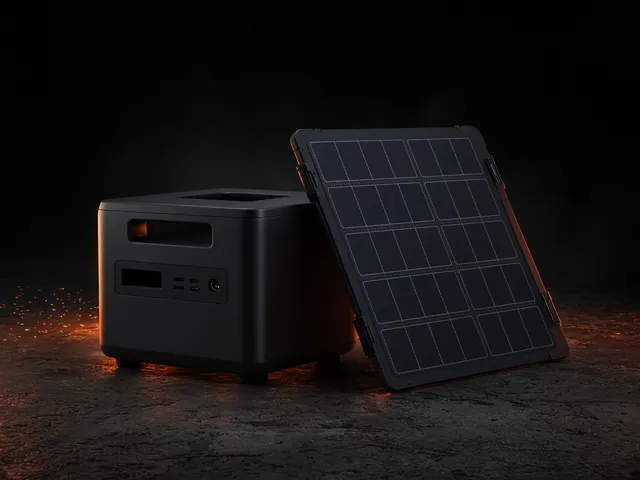
Power and light that keeps the basics going. Plain links to each brand's own site. No prices shown: check the current price and shipping there. We do not earn anything from these links yet.
UK
Jackery
Jackery Explorer 500 v2 Portable Power Station Black Friday
How long do mobile phone masts work in a power cut?
Ofcom estimates about 20% of UK mast sites have at least an hour of backup and about 5% have at least six hours, so coverage fades in patches as batteries run out.
Will my gas boiler work in a power cut?
Usually not. GOV.UK Be Ready says gas boilers, ovens and heat pumps will not work without power because their pumps, fans and controls need electricity.
General information, not professional, medical or safety advice. In an emergency call 999 (UK) or 911 (US). Store links are plain links to the brand's own site; we do not earn from them today.
 UK
 UK
 US