 UK
Home / Guides / What actually goes in a prepper kit
Field guide · kit
What actually goes in a prepper kit
Start with the boring list the Red Cross and the government agree on. Then add what experienced preppers wish they had packed. Skip the rest until the basics are covered.
By the Civilian Survival Handbook team · 20 November 2026 · Official figures checked against the sources at the end; forum advice paraphrased and labelled as such.
Layer 1: the official 72-hour box
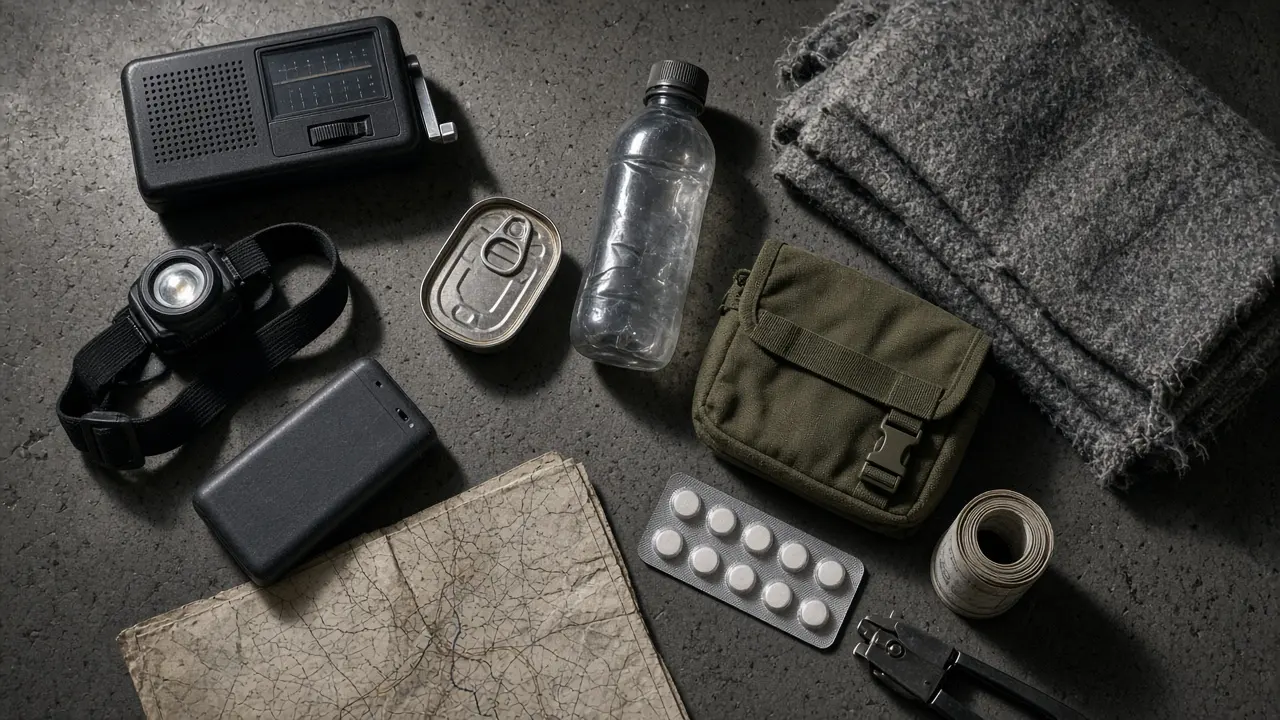
The British Red Cross: emergency kit guide lists the core items every household should consider. Keep them together in one place you can find in the dark:
- A paper list of important phone numbers (your phone will not always work).
- A phone charger and portable power bank.
- Cash: card machines and cash points may not work in a cyber attack or power cut.
- A torch and spare batteries. Torches are safer than candles.
- A battery-powered or wind-up radio.
- Essential medication and copies of prescriptions.
- A basic first aid kit, hand sanitiser and wet wipes.
- Three days of drinking water and three days of long-life or ready-to-eat food, plus a tin opener.
- Copies of important documents in a waterproof bag, pen and paper, and spare home and car keys.
Add what your household needs: baby formula (ready-to-feed is best because you may not be able to boil water), nappies, pet food, spare glasses. A local council household plan also advises always keeping at least 5 days of prescription medication by reordering early.
Layer 2: what experienced preppers add
Read enough of r/UKPreppers and r/preppers and the same advice keeps coming up. We have paraphrased it rather than quoting any individual:
- A better first aid kit. A proper one with extras such as adhesive wound-closure strips and self-adhesive dressings, not just plasters. Learn to use it: St John Ambulance runs first aid courses, and members recommend trauma training.
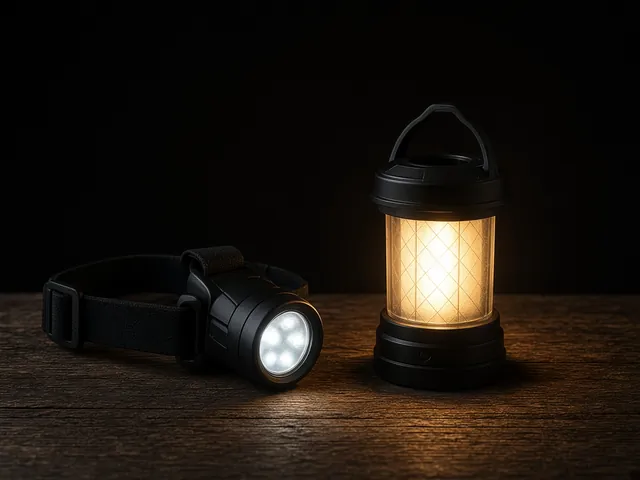
- An LED lantern and a head torch. Hands free beats everything else in the dark. Keep spare batteries or a USB-rechargeable option.
- Ways to stay warm. Several members name warmth as the thing people forget. One keeps a small pop-up tent so a family can huddle in a cold room; see our stay-warm guide.
- A way to cook safely. Practise on a camping stove or a barbecue outdoors before you need to.
- A car kit. A small bag in the boot for breakdowns and being stuck in a jam.
- Things to do. Playing cards, a book or two and some sweets. In a UK winter it is dark by about six, and bored people with candles start fires.
- Paper reference. A first aid book and a local map. They work when the signal does not.
The best single piece of advice we saw: prep for Tuesday, not doomsday. Start by buying extra of what you already use: toilet roll, soap, tins, coffee. Build up slowly. Many members said they built their kit over years.
Layer 3: later, once the basics are done
Radios, power stations, filters and shelters are all worth owning, but not before layer one. The same r/preppers regret threads keep repeating a theme: people rush out and buy gear, then find it is low quality, untested, or for the wrong problem. Make a plan for your household, set a budget for quality items, and expand from there. Do not buy barter goods before you own the things your own family needs.
Storing it
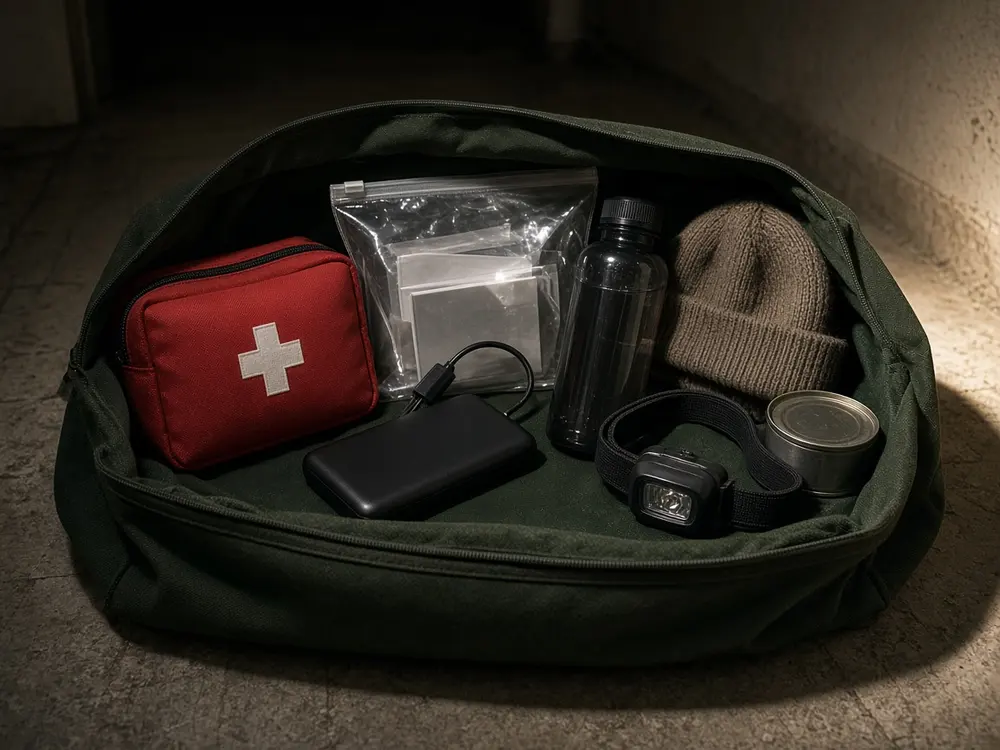
- Everything in one container or bag, in one place, where every adult can find it.
- Date your water and food. Rotate on a diary reminder every six months.
- Keep a smaller version in the car and a copy of your contact list in the bag.
- Check batteries. Replace anything that has leaked or died.
Gear for this
A few starting points. Plain links to each brand's own site. No prices shown: check the current price and shipping there. We do not earn anything from these links yet.
UK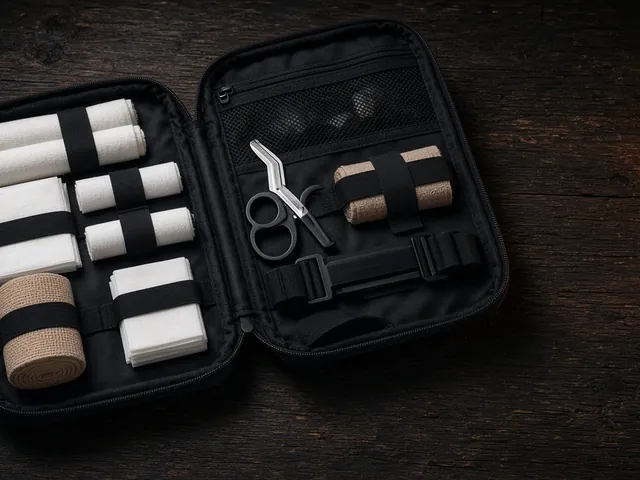 UK
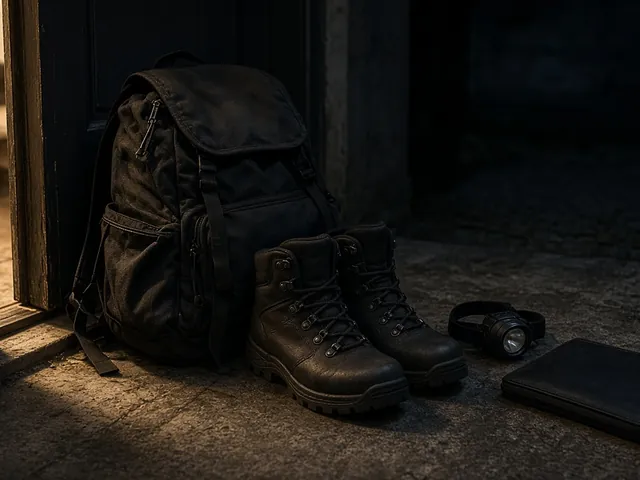 UK
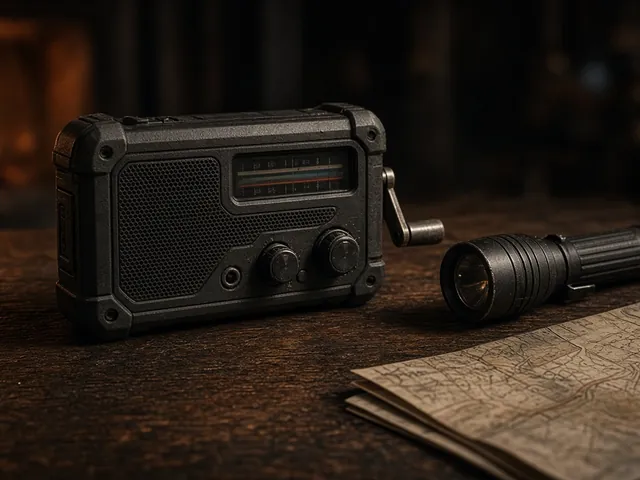 US
Midland
ER210 Portable Emergency Crank Weather Radio - ER210
Crank weather-alert radio
Check price at Midland ↗USPictures are illustrations of the product type, not photos of the exact item. More: all grab bags and kits · first aid · grab bag hub
Quick answers
What should I buy first for a prepper kit?
Water, ready-to-eat food, a torch, a wind-up or battery radio, a power bank, essential medication and a first aid kit. That is the official 72-hour baseline, and it is cheap.
How much should I spend?
Little at first. Experienced members say to buy extra of what you already use, build slowly over time, and spend on quality for the few items you will depend on.
More field guides
water
Water when the taps stop: the four-rung ladder
blackoutGrid down: what fails first (UK)
winter blackoutStaying warm when the heating dies
Sources (read 20 November 2026):
- British Red Cross: emergency kit
- GOV.UK Be Ready: power cuts
- Worcestershire County Council household emergency plan (May 2026)
- r/UKPreppers: what would be a good starter kit?
- r/UKPreppers: new to prepping, where do I start?
- r/preppers: prepper regrets
General information, not professional, medical or safety advice. In an emergency call 999 (UK) or 911 (US). Store links are plain links to the brand's own site; we do not earn from them today.