 UK
Home / Guides / Five layers of communication for when the phones fail
Field guide · comms
Five layers of communication for when the phones fail
In a long power cut your broadband goes first and your mobile goes patchy. You need ways to receive information and ways to reach your own people. Build five layers, cheapest first.
By the Civilian Survival Handbook team · 20 November 2026 · Official figures checked against the sources at the end; forum advice paraphrased and labelled as such.
Layer 1: Emergency Alerts (free, already on your phone)
GOV.UK Emergency Alerts is a UK government system that warns you of a life-threatening emergency such as severe flooding, extreme storms or wildfires. The government does not need your phone number or location. Your phone may make a loud siren-like sound even on silent, vibrate and read the alert out, for about 10 seconds. It will include a phone number or a GOV.UK link. When you get one, stop and follow the instructions. If you are driving, find somewhere safe and legal to stop first. Emergency Alerts will never email you or ask for personal details, and they do not replace local radio and news.
Layer 2: an FM radio you can run on batteries or a crank
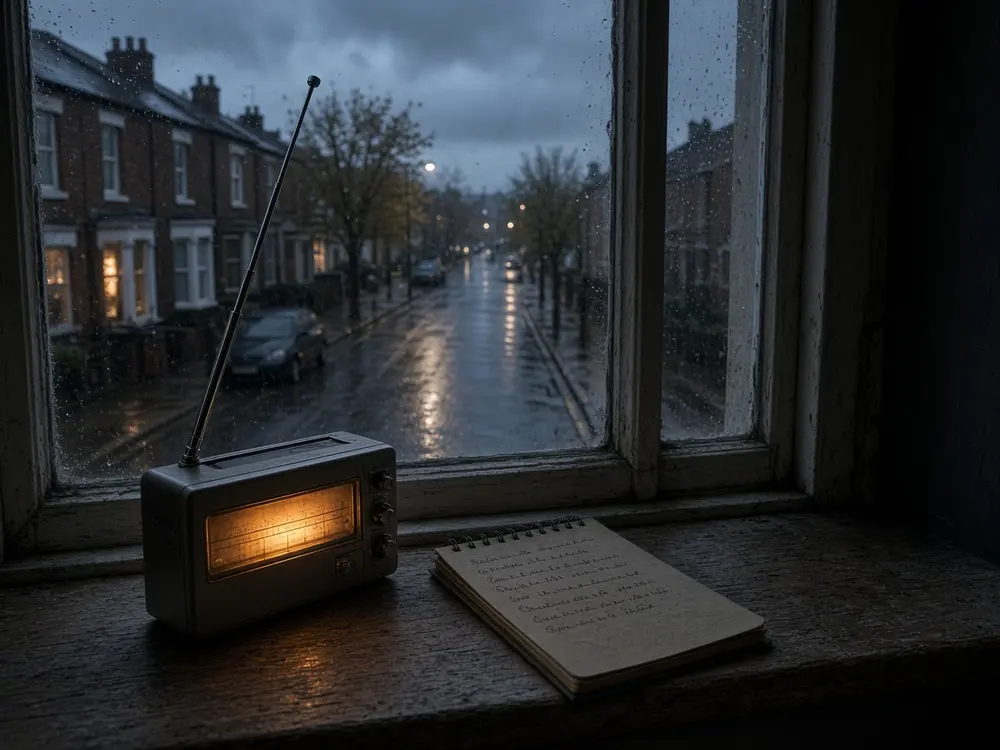
The government's emergency checklist specifically recommends FM, not DAB, even though many stations are digital-only now. There is no single national emergency frequency. Instead, write down the frequencies of your local BBC station and the national ones you would use: BBC Radio 2 broadcasts on 88 to 91 FM and Radio 4 on 92 to 95 FM across the UK, and your local station sits in a block you can check. Stick the list inside the radio's lid. A car radio works too, but in severe weather it is safer to listen indoors.
A wind-up or battery radio is on the British Red Cross kit list. For listening, buy one that picks up FM and DAB if you can; for pure emergencies, FM is the one the guidance names.
Layer 3: keep your router and landline alive, and save your phone's battery
Ofcom says digital landlines and home broadband need mains power. If you rely on a landline, tell your provider: it must offer a free solution such as a battery backup unit that lasts at least one hour, and some last up to seven. A corded landline on the old copper network keeps working on its own. For mobiles, the British Red Cross advice is simple: lower the brightness, close unused apps, and use a power bank only when needed. If your own network is down, 999 can connect through another network if one is available. If you have signal but calls will not connect, send a text.
Layer 4: licence-free walkie-talkies (PMR446)
PMR446 handheld radios are legal to use in the UK without a licence, an exam or a call sign, provided the radio is built to the rules: the 446.0 to 446.2 MHz band, no more than 500 mW, and an integral antenna that cannot be swapped. Ofcom's business radio guidance confirms licence-exempt use in that band. Expect roughly 1 to 3 km in a built-up area; height, line of sight and fewer obstacles are what stretch it. They do not relay messages, so you need to be in range of the person you want. They are for your own household, street or group, not for calling for help. Call 999 for that.
Layer 5: paper, and a plan
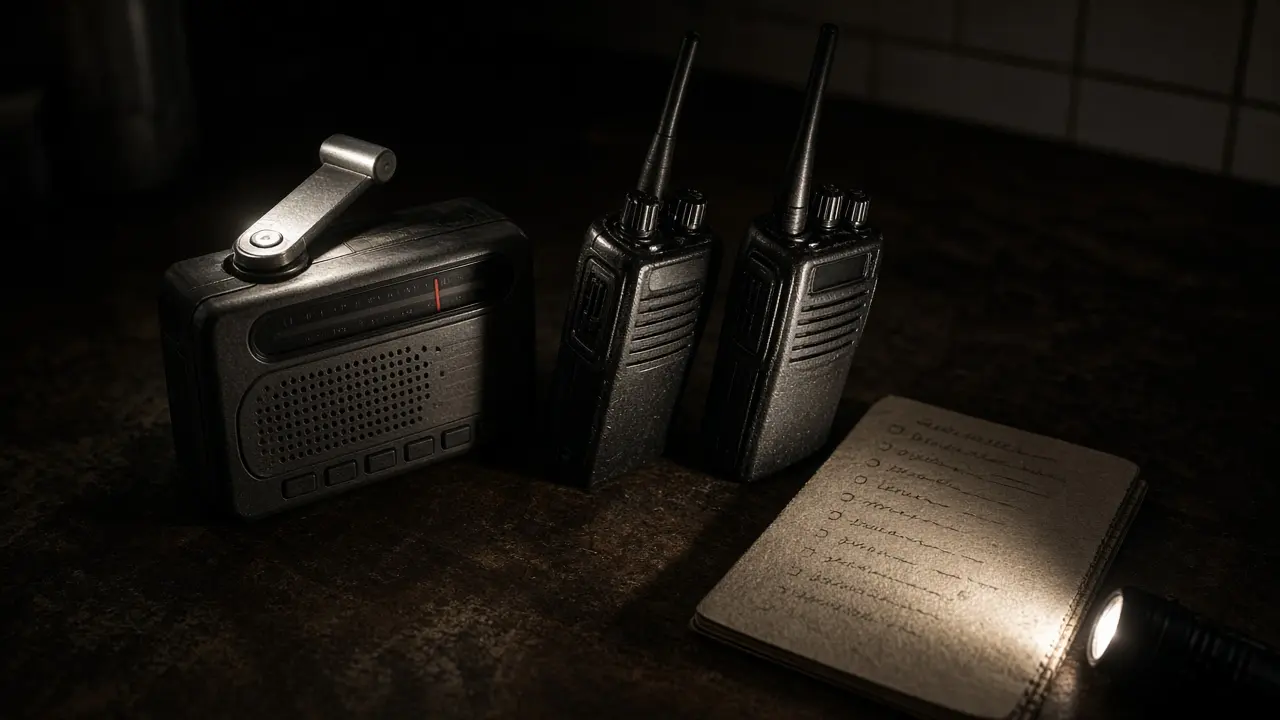
- A paper list of important phone numbers (the British Red Cross puts this top of its kit list). Include your electricity network and 105.
- A meeting point near home and a second one further away.
- A check-in rule: who calls whom, and when, even if you only get one text through.
- A note of everyone's medical needs and where they would go.
Gear for this
A radio and light to start with. UK radio brands are in the store tables. Plain links to each brand's own site. No prices shown: check the current price and shipping there. We do not earn anything from these links yet.
UK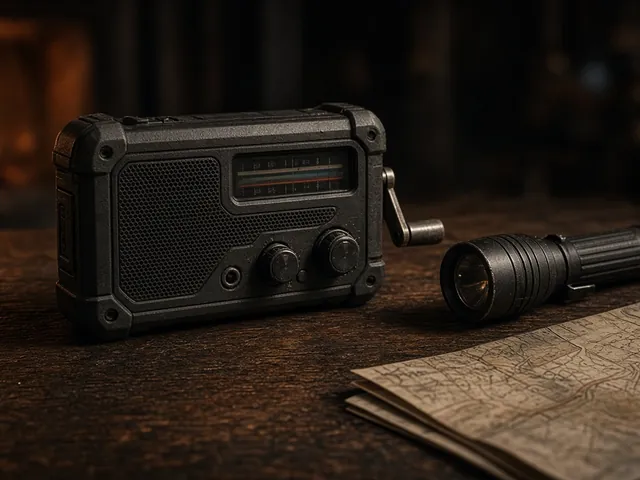 US
Midland
ER210 Portable Emergency Crank Weather Radio - ER210
Crank weather-alert radio
Check price at Midland ↗USMidland
ER310PRO Portable Emergency Crank Radio with Power Bank
Crank radio with power bank
Check price at Midland ↗USSurvival Frog
Kaito KA500 Emergency Weather Radio | 5-Way Power, Red
5-way powered radio
Check price at Survival Frog ↗Pictures are illustrations of the product type, not photos of the exact item. More: all radios and comms · no power hub
Quick answers
Do I need a licence for walkie-talkies in the UK?
Not for PMR446 handhelds that meet the rules: 446.0 to 446.2 MHz, 500 mW maximum and an integral antenna. Ofcom lists these as licence-exempt.
Does the government recommend FM or DAB for emergencies?
Its emergency checklist recommends FM. There is no single national emergency frequency, so note the local and national stations you would use.
More field guides
water
Water when the taps stop: the four-rung ladder
kitWhat actually goes in a prepper kit
blackoutGrid down: what fails first (UK)
Sources (read 20 November 2026):
- GOV.UK: about Emergency Alerts
- RadioToday: emergency radio advice and FM receivers (October 2026)
- Worcestershire County Council household emergency plan (May 2026): radio frequencies
- Ofcom: stay connected in severe weather
- Ofcom: business radio guidance 2025 (PMR446)
- MeshReady: PMR446 UK rules and range
- British Red Cross: power cut
General information, not professional, medical or safety advice. In an emergency call 999 (UK) or 911 (US). Store links are plain links to the brand's own site; we do not earn from them today.