What is the most useful way to help in an emergency?
Next door check on neighbours, in person if you can
Be Ready asks people to plan to check on neighbours who may need help, especially in a power cut, and to respond to calls for help from councils, charities or community groups only if it is safe. It asks people not to go to the scene of an emergency.
Source: GOV.UK Be Ready: Volunteering and helping others (checked 31 October 2026)
In short: GOV.UK Be Ready's 'Play your part' advice is to get to know your neighbours and swap contact details, plan to check on people who may need help (in person if possible), join or support a local community group before an emergency, and respond to calls for help from your council or charities if it is safe. Don't go to the scene of an emergency. If you want to donate, Be Ready says money through reputable organisations is usually better than goods.
Key facts
- Be Ready asks people to get to know their neighbours, share contact details, set up a group chat for their street or building, and plan to check on people who may need help, in person where possible. Source
- Be Ready asks people not to turn up at the scene of an emergency to help, and not to travel to help if the emergency is elsewhere in the country. Source
- Be Ready recommends donating money rather than goods, through reputable organisations, and checking a charity's name and number on the charity register. Source
- Be Ready says most charities with an income of £5,000 or more must be registered and are regulated by the Charity Commission. Source
- For national emergencies Be Ready points to the National Emergencies Trust, and for international ones to the Disasters Emergency Committee. Source
Being ready isn't only about your own cupboard. The government's Be Ready campaign has a whole section called Play your part in your community, and its point is simple: when services are disrupted, neighbours are often the first help anyone gets. If your household can manage for three days, you're also in a position to look out for someone else.
This guide sets out what Be Ready suggests, from a five-minute chat with the people next door to joining an emergency volunteer team. We're an independent site, not part of the campaign.
Start next door
Be Ready's volunteering page suggests:
- Get to know your neighbours: what help they might need, and what skills they have (first aid, languages).
- Swap contact details, and think about a group chat or closed online group for your street or building.
- Plan to check on people who may need help, especially in a power cut, and in person if you can.
- Look out for neighbours with medical needs, people new to the area, people who struggle with technology, and people who don't speak or read English well. Their usual carers may not be able to reach them.
Our street emergency plan guide shows a simple way to do this without it feeling awkward.
During an emergency: help safely
Be Ready is clear about a few things (Play your part):
- Look for calls for help from your local council or community groups (or national charities in bigger emergencies), and answer them if it's safe.
- Use trusted sources for advice: local radio and TV, your council, and police, fire and rescue or coastguard websites and social media.
- Don't go to the scene of an emergency to help. It can put you and the emergency services in danger.
- Don't travel to help if the emergency is elsewhere in the country. Local services will be under pressure.
Join a group before anything happens
Be Ready suggests joining or supporting a local group before an emergency. If you can't commit regular time, tell local groups about skills or resources you could offer: first aid, a 4x4, digital or project skills, or help with simple tasks. You could also start a Neighbourhood Watch or residents' group if there isn't one.
Where to find local volunteering
| Where | Be Ready points to |
|---|---|
| England | NCVO's map of local volunteering centres; NAVCA's find-a-member tool |
| Wales | Volunteering Wales; Wales Council for Voluntary Action |
| Scotland | Volunteering Scotland; Ready Scotland's "Get involved" |
| Northern Ireland | NI Direct: getting involved in your community |
| Anywhere | DoIT for general roles; Reach Volunteering for skills-based roles; Neighbourhood Watch (Our Watch) |
Emergency volunteering
Be Ready lists groups that plan for emergencies and work alongside responders, many of which you can join:
- Communities Prepared: a map of Community Emergency Volunteer and Flood Warden groups
- British Red Cross: emergency response roles
- St John Ambulance: first aid and ambulance roles
- REACT: response volunteers for floods and power outages
- 4x4 Response UK: drivers who reach people in severe weather
- RAYNET-UK: amateur radio operators who help with emergency communications
And search and rescue: HM Coastguard, the RNLI, independent lifeboats, Mountain Rescue and Lowland Rescue teams. Be Ready also mentions special constables, on-call firefighters and Community First Responders with ambulance services. Each organisation sets its own training and requirements; check their own pages.
Donating: what Be Ready advises
From Be Ready's donating page:
- Give money, not goods, through reputable organisations. Be Ready says it gives people affected "dignity in choice".
- Look for appeals rather than taking goods to community centres or response points.
- Local emergency: check your council or a trusted local charity; UK Community Foundations work with local groups.
- National emergency: see whether the National Emergencies Trust has an appeal.
- International emergency: the Disasters Emergency Committee may launch one.
- Check the charity on the charity register. Most charities with an income of £5,000 or more must be registered.
A simple plan to play your part
- Get your own household ready for 3 days (Be Ready checklist)
- Swap numbers with two neighbours
- Write down who you'll check on in a power cut
- Find one local group and ask how they help in emergencies
- Know where you'd donate: council appeal, National Emergencies Trust or DEC
For a whole street or village, our community emergency plan template is a good next step.
Limitations
This is general information based on GOV.UK Be Ready, not legal or professional advice. Volunteer roles, training and checks are set by each organisation. Only help when it is safe, follow instructions from the emergency services, and call 999 if anyone is in immediate danger.
Turn this guide into a written plan
Reading helps. Writing it down is what makes it work when the phones are flat. Start with the free plan builder, or get the full printable version:
 Your whole household planHousehold Emergency Plan Pack£6.99
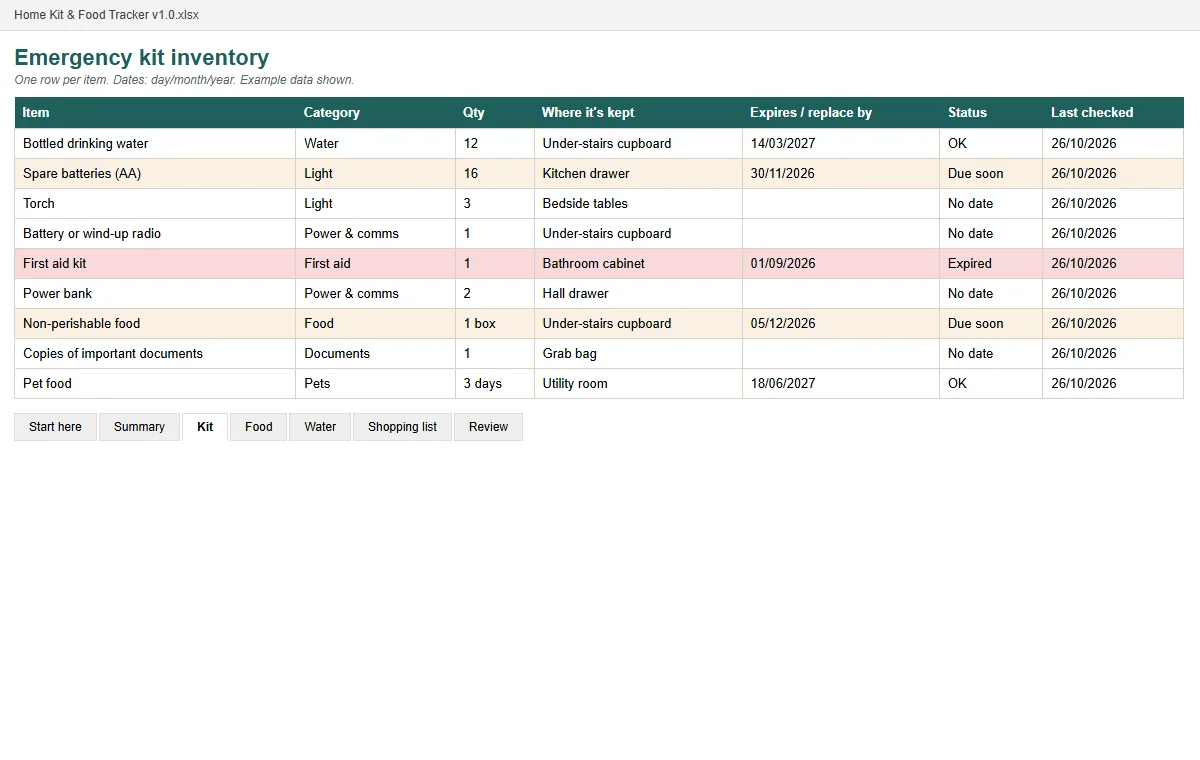 Bundle · £15.97 separatelyPrepared, Not Panicked bundle£9.99
Real pages shown before you buy · instant PDF · one-off price · 30-day refund.
Get the free 72-hour UK household checklist
Tick-box lists for each part of a UK home emergency kit, plus the key numbers on one page. Enter your email and we'll take you straight to the download.
That email address doesn't look right — please check it and try again.
We'll also email you when we publish new guides — occasional, never daily. Unsubscribe any time. See our privacy notice.
Frequently asked questions
How can I help my community in an emergency?
Be Ready suggests getting to know your neighbours now, swapping numbers, planning to check on people who may need help, and joining or supporting a local community group before anything happens.
Should I go to the scene to help?
No. Be Ready asks people not to turn up at the scene of an emergency, because it can put you and the emergency services in danger. Watch for calls for help from your council or local groups instead.
Where can I volunteer for emergencies in the UK?
Be Ready lists groups including the British Red Cross, St John Ambulance, REACT, RAYNET-UK, 4x4 Response UK, HM Coastguard, the RNLI, mountain and lowland rescue teams, and local Community Emergency Volunteer and Flood Warden groups (mapped by Communities Prepared).
Is it better to donate money or goods?
Be Ready says money, through reputable organisations, because it gives people choice. Don't take goods to community centres or response points unless there's an appeal asking for them.
How do I check a charity is real?
Use the GOV.UK charity register to check its name and registration number. Most charities with an income of £5,000 or more must be registered.
Sources
- GOV.UK Be Ready: Play your part in your community (checked 31 Oct 2026)
- GOV.UK Be Ready: Volunteering and helping others (checked 31 Oct 2026)
- GOV.UK Be Ready: Donating during an emergency (checked 31 Oct 2026)
- GOV.UK: Find charity information (linked from Be Ready)